Health
Cellulogia: What It Means for Cellulite Care

You find a new skincare term, search for its meaning, and end up with several different explanations. One page describes a massage treatment. Another talks about creams, exercise, and a complete body-care routine.
That is the confusion surrounding Cellulogia.
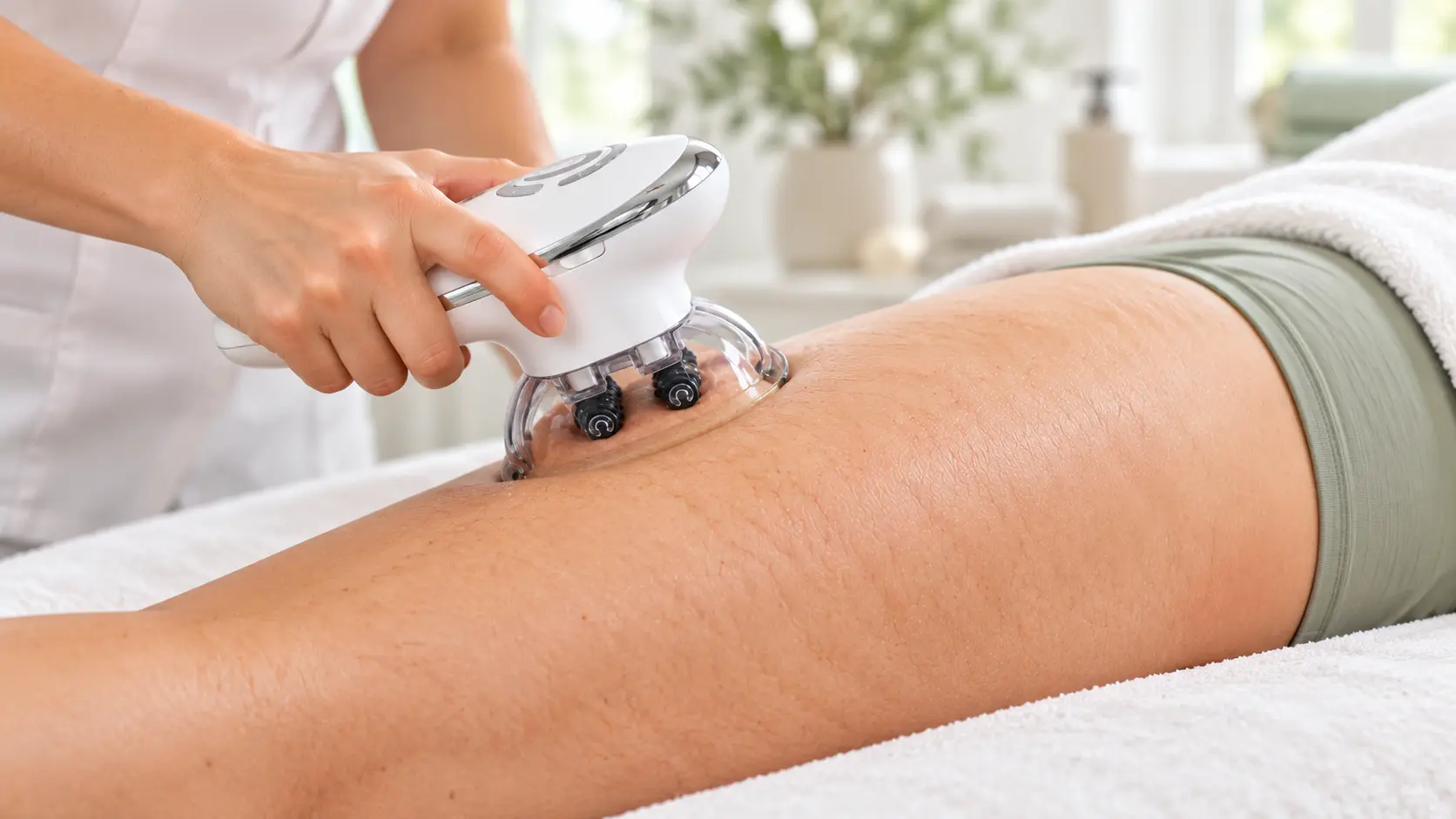
In beauty content, the word is used in different ways. Some salons use it to describe mechanical massage involving suction and rollers. Other websites use it more broadly for cellulite care. Those descriptions should not be treated as one standardized treatment with the same results everywhere.
If you are wondering whether it could help with uneven skin texture, the useful starting point is understanding the actual method behind the name. A cream, a massage session, and a medical procedure are different things, even when they appear under a similar heading.
This guide explains what Cellulogia can mean, how it relates to cellulite, and what to look for before spending money on a product or treatment.
What Is Cellulogia?
Cellulogia is a context-dependent beauty term associated with cellulite care. It does not tell you enough on its own to identify a specific product, device, or treatment protocol.
For example, one salon describes it as vacuum-assisted body massage. A Polish beauty provider describes dermomassage, also called cellulogia or vacuum massage, as a combination of suction and mechanical rollers. These are examples of how providers use the term, rather than proof of every benefit they advertise.
In other online articles, the word covers a broader collection of skincare and lifestyle practices. That wider use makes it especially important to check what an individual writer or business means.
A useful question is: “What exactly does this involve?”
If the answer is only “smoother skin” or “advanced cellulite care,” you still need more information.
Cellulogia at a Glance
| Question | What to know |
|---|---|
| What does the term relate to? | Cellulite and body-care services or content |
| Does everyone use it the same way? | No; descriptions vary |
| Can it refer to massage? | Yes, some providers use it for mechanical or vacuum massage |
| Does the name establish effectiveness? | No; evidence must relate to the actual method |
| Is it interchangeable with cellulite? | No; cellulite describes skin dimpling |
| What should you check first? | The treatment name, device, practitioner, risks, and expected results |
The most practical way to approach Cellulogia is to evaluate what is being offered rather than relying on the label.
Understanding Cellulite Before Choosing Care
Cellulite is the familiar dimpled or uneven appearance that can develop on the thighs, buttocks, hips, and abdomen. Mayo Clinic describes it as a common, harmless skin condition, particularly among women.
Its appearance involves the relationship between skin, underlying fat, and connective tissue. Cleveland Clinic explains that fat pressing against connective tissue contributes to the uneven surface.
That helps explain why a surface product cannot automatically solve everything happening underneath.
It also changes how you think about the goal. Softer skin, less dryness, and reduced dimpling are separate outcomes. A product may help with one without producing the others.
Before starting anything, decide which change you actually want. Otherwise, it is easy to keep buying products that answer a different question.
Why Does Cellulite Appear?
There is no single explanation that applies to everyone.
Hormones, genetics, skin structure, and changes associated with aging can influence cellulite. Weight and muscle tone may affect its visibility, but people who are fit can have it too. Mayo Clinic notes that even very fit people may develop cellulite.
This is why the advice to “just exercise more” can be frustrating. It treats a complex skin feature as though it has one simple cause.
The same problem appears in skincare marketing. A product may focus on circulation, collagen, or hydration without explaining how much visible change was actually measured.
A convincing explanation should connect the proposed method to realistic results. Scientific-sounding language alone cannot do that.
You do not need to view normal skin texture as evidence that you have failed at your routine.
Does Cellulogia Work for Cellulite?
The answer depends on what Cellulogia means in the particular service or product you are considering.
If it means mechanical massage, look at evidence for that type of massage. If it means a cream, examine the formula and the evidence supporting it. Research on a different procedure does not automatically support either one.
For vacuum-assisted massage such as endermologie, the American Academy of Dermatology reports mixed study findings. Some studies found improvement, while others did not. When improvements occurred, they were temporary and required continued treatment to maintain. This does not establish identical results for every device marketed under another name.
That distinction matters when comparing treatment packages. A provider should explain the actual equipment and method, rather than treating the word Cellulogia as a guarantee.
Ask what improvement is realistic, how it will be assessed, and what happens when sessions stop.
Cellulogia Massage vs. Medical Cellulite Procedures
A massage service and a procedure performed beneath the skin should not be confused simply because both mention cellulite.
Different approaches target different aspects of skin appearance. Some involve external massage or energy-based devices. Others involve releasing the connective bands beneath the skin.
Mayo Clinic describes several treatment categories, including laser and radiofrequency treatments, acoustic wave therapy, mechanical massage, and subcision. Their results, side effects, and maintenance needs vary. Some approaches require multiple sessions, while procedures involving tools beneath the skin can cause pain and bleeding.
| Approach | What to clarify before choosing it |
|---|---|
| Mechanical or vacuum massage | Exact device, treatment pressure, evidence, and maintenance |
| Body cream | Ingredients, directions, irritation risk, and realistic benefit |
| Energy-based treatment | Technology used, practitioner training, sessions, and recovery |
| Subcision | Suitability, risks, recovery, and practitioner experience |
A salon photograph of a massage device does not tell you whether it offers the same outcome as a dermatologist’s procedure.
Compare like with like.
[ADD IMAGE HERE: An adult client discussing a body-care treatment with a qualified practitioner in a clean consultation room, both fully clothed, with no dramatic before-and-after graphics.]
Can Cellulite Creams Make a Difference?
Creams deserve a more careful answer than either “they all work” or “they are all useless.”
The American Academy of Dermatology says some caffeine-containing products may temporarily make cellulite less noticeable. Products containing 0.3% retinol may also offer a modest effect, but assessing a response can take six months or longer. Neither finding means that every firming cream produces the same result.
Check the full product description. Does it promise moisturized skin, improved firmness, or reduced dimpling? Those claims are not interchangeable.
It also helps to introduce one product at a time. If you begin a cream, massage tool, and scrub together, it becomes harder to tell what caused a change or a reaction.
Retinol requires additional care. AAD guidance advises avoiding retinoids during pregnancy. If you are pregnant or planning pregnancy, discuss suitable products with your clinician.
An ingredient should suit your skin and circumstances before it earns a place in your routine.
What About Dry Brushing and Scrubs?
Dry brushing often appears in cellulite routines because it is inexpensive and easy to demonstrate.
However, Cleveland Clinic states that there is no scientific evidence showing that dry brushing reduces cellulite or its appearance. It may exfoliate the skin, but exfoliation is a different outcome from changing cellulite.
That difference is easy to miss after using a scrub or brush. Skin may feel different at the surface, leading someone to assume the deeper dimpling has changed as well.
There is no reason to make a routine more aggressive in pursuit of that result. AAD notes that mechanical exfoliation can be too irritating for some skin types, particularly dry or sensitive skin.
If you enjoy exfoliation, consider it a separate skincare choice. It does not need to become a cellulite treatment to have a place in your personal routine.
Building a Practical Body-Care Routine
You do not need to buy an entire Cellulogia package to begin making more informed decisions.
Start by separating everyday skin care from optional cosmetic treatment. That keeps your routine easier to manage and your expectations clearer.
Choose One Main Goal
Write down what you want to improve.
Perhaps your skin feels dry. Perhaps you want advice about visible dimpling. Perhaps you are mostly trying to understand whether a treatment package is worth its cost.
A clear goal helps you decide which information matters. It also gives you a sensible point at which to reassess.
Keep the Routine Manageable
Choose products you can use comfortably and according to their instructions.
Avoid treating the number of steps as a measure of effectiveness. A complicated routine can make it harder to identify which product you like, which one irritates your skin, and which one you could comfortably skip.
You can keep ordinary body care simple while separately researching any treatment that interests you.
Treat Exercise as More Than a Skin Treatment
Physical activity can help tone muscles and may improve the appearance of dimpled skin, according to Mayo Clinic. It should not come with a promise that cellulite will disappear.
Choose movement you enjoy rather than judging every session by how your thighs look afterward.
There is no need to use a close-up photograph as the scorecard for your fitness.
Review Before Buying More
Before replacing a finished product, ask whether it delivered the benefit you wanted.
Did you like using it? Was the cost reasonable? Did it cause irritation? Would you buy it again without the “anti-cellulite” wording?
These questions can be more useful than automatically moving to a stronger formula or a larger treatment package.
[ADD IMAGE HERE: A simple body-care scene with an unbranded moisturizer, folded cotton towel, and an adult hand applying lotion to the leg, photographed in a real home with visible natural skin texture.]
How to Judge Before-and-After Photos
Before-and-after images can help illustrate a claim, but only when the comparison is fair.
Look for the same lighting, camera angle, distance, and body position. A relaxed standing pose should not be compared with a flexed pose under softer light.
Check when the second photograph was taken, too. An immediate post-treatment image cannot tell you how the skin looked several weeks later.
Useful questions include:
- Were both photographs taken under the same conditions?
- How many sessions took place between them?
- Was anything else used during the treatment period?
- Is the result typical or a selected example?
- Are later follow-up photographs available?
You are looking for enough information to interpret the picture, rather than being asked to trust the picture alone.
Questions to Ask Before Booking Cellulogia
A consultation should leave you with a clearer understanding of the service.
Before purchasing a package, ask:
- What exact treatment and device will you use?
- What evidence supports this method for cellulite?
- Who will perform it, and what training do they have?
- What improvement is realistic for me?
- How many sessions and maintenance visits might I need?
- What are the risks and recovery requirements?
- What is the total likely cost?
Ask whether the quoted price covers the whole course or only the initial sessions.
Be cautious when the discussion moves straight to payment without explaining the method. You should be able to understand what you are buying in ordinary language.
If you want help comparing options, a board-certified dermatologist can assess which approaches may be suitable and whether they are likely to meet your expectations.
When Skin Changes Need Medical Attention
Ordinary cellulite is harmless, but new pain, warmth, swelling, or rapidly changing redness should not be assumed to be cosmetic dimpling.
Cellulitis is a different condition: a bacterial skin infection. Mayo Clinic advises prompt assessment for a growing swollen rash, and emergency care when a rapidly changing rash or swelling is accompanied by fever.
A beauty treatment is not the right starting point for those symptoms.
Conclusion
Cellulogia can refer to different approaches to cellulite care, including mechanical massage services and broader body-care ideas. The name alone cannot tell you how a treatment works or what it will achieve.
Focus on the actual method, the evidence behind it, and the full cost of maintaining any result. Keep everyday skincare goals separate from promises about changing dimpling.
You can care for your skin, explore cosmetic options, or leave cellulite alone. The useful choice is the one made with clear information and realistic expectations.
FAQs
What does Cellulogia mean?
Cellulogia is used in beauty services and online content related to cellulite care. Some providers use it for mechanical or vacuum massage, while others use it more broadly.
Is Cellulogia the same as cellulite?
No. Cellulite describes dimpled skin. Cellulogia is a term applied to services or ideas associated with caring for its appearance.
Does Cellulogia permanently remove cellulite?
The name does not establish permanent results. Ask which specific method is being offered and what evidence supports its expected duration.
How many Cellulogia sessions will I need?
There is no universal number because providers may use different methods. Request an individual assessment and a written explanation of the proposed course.
Can slim or fit people have cellulite?
Yes. Being slim or physically fit does not rule out cellulite.
Does dry brushing remove cellulite?
There is no good evidence that dry brushing reduces cellulite. Exfoliating the surface is different from changing the structures responsible for dimpling.
How much does Cellulogia cost?
Costs depend on the provider, location, device, treatment area, and number of visits. Ask about the complete course and maintenance costs.
Do I need to treat cellulite?
No. Ordinary cellulite is harmless, and treatment is a personal cosmetic choice.