How to
Babeltee: The New Healthy Tea Trend Explained

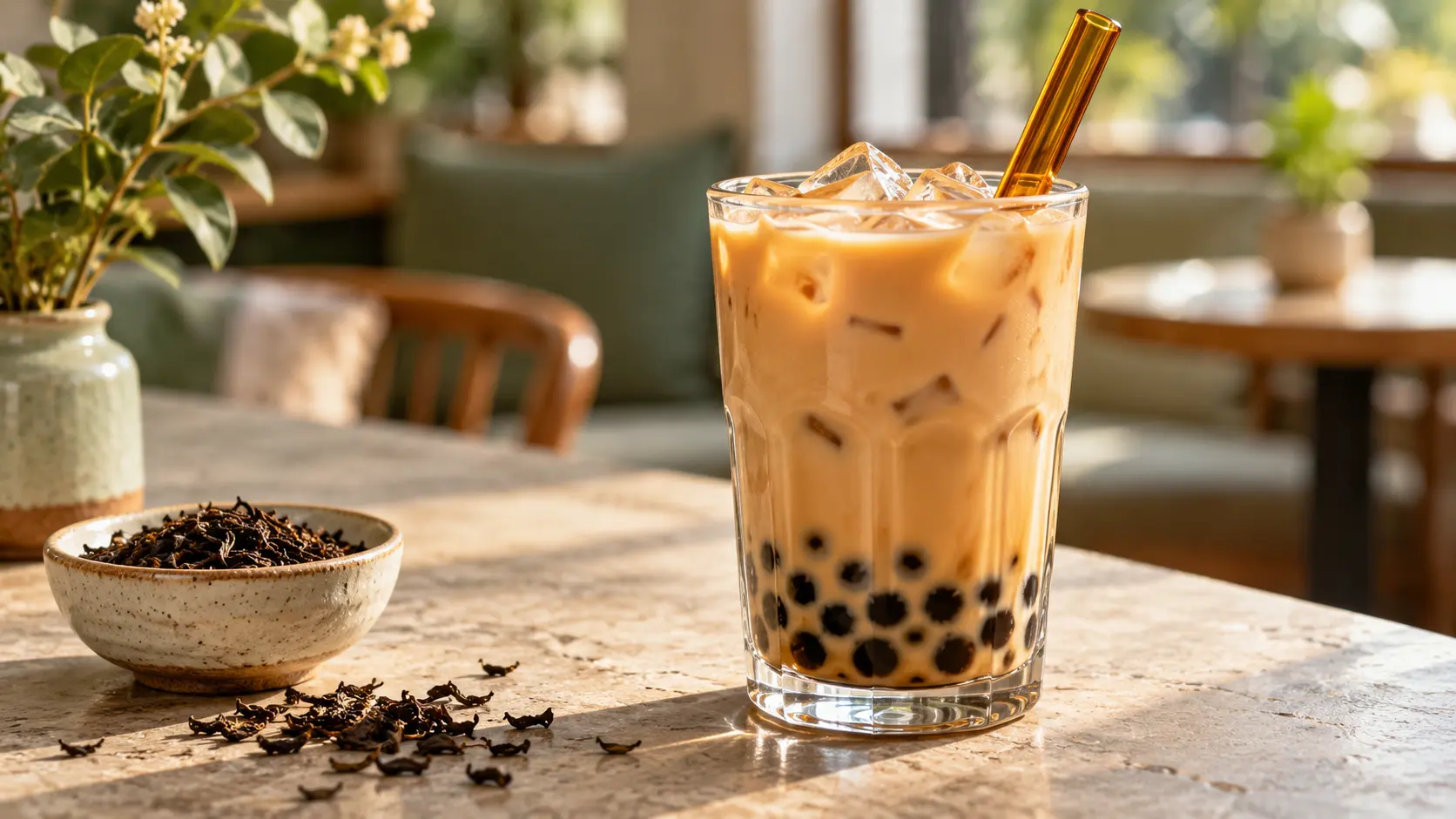
A glass of chilled tea, a few slices of fruit, and some fresh mint can turn an ordinary afternoon drink into something worth slowing down for. It is a familiar combination, even if the name attached to it sounds new.
Babeltee is one such name appearing in online tea articles. Some writers describe it as a fresh, customizable tea drink. Others connect it with bubble tea or use it more loosely for creative tea combinations. That can leave readers wondering what they are actually supposed to put in their cup.
The clearest answer is that Babeltee does not currently have one widely accepted definition or standard recipe. In beverage articles, it usually refers to a flexible tea drink made with ingredients such as fruit, herbs, milk, or sweeteners. It is better understood as an informal tea concept than a clearly established beverage category.
So, what makes the idea interesting, and does the “healthy tea” description hold up? The answer comes down to the ingredients.
What Is Babeltee?
Babeltee is commonly described online as a tea drink that you can adjust to your own taste. You start with brewed tea, then choose the flavors and extras you want to add.
That might mean green tea with peach slices, black tea with milk, or an herbal infusion served over ice with berries. These are examples of how the concept can be interpreted, rather than official Babeltee recipes.
Unlike a particular tea variety, the name does not tell you which leaves were used, how the drink was prepared, or how sweet it will taste. Two drinks carrying the same name could therefore be quite different.
For anyone trying it for the first time, the useful question is simple: what is in this particular glass?
Babeltee at a Glance
| Question | What to know |
|---|---|
| What does the name describe? | An informal, customizable tea drink concept used in online articles |
| Is there an official recipe? | No widely established recipe was identified |
| What ingredients might appear? | Brewed tea, fruit, herbs, milk, sweeteners, and optional toppings |
| Is it always served cold? | There is no fixed serving rule |
| Is it automatically healthy? | Its nutritional value depends on the ingredients and portions |
| Is it the same as bubble tea? | The terms should not automatically be treated as interchangeable |
These points reflect the loose way the term is currently used, rather than standards set by a recognized beverage producer or tea organization.
[ADD IMAGE HERE: A clear glass of homemade iced tea with peach slices and mint on a kitchen table, photographed in soft natural window light.]
Where Did Babeltee Come From?
It is tempting to give every new food name a neat origin story. With Babeltee, the available information does not support a confident account of who invented it or where it began.
Online explanations vary, and a reliably documented creator, original recipe, or place of origin is not established in the sources reviewed. Claims that assign it an ancient tradition or a specific inventor should therefore be treated carefully.
Bubble tea has a clearer background. Tea retailer Gong cha describes its origins in Taiwan during the 1980s and explains how variations developed around different flavors, milk options, and toppings. That history belongs to bubble tea, it should not automatically be transferred to Babeltee.
You can still enjoy a drink without knowing exactly who first used its name. What matters is keeping the story separate from what can actually be verified.
Understanding the Appeal of Babeltee
The appeal of a customizable tea drink is easy to understand. You can build it around ingredients you already enjoy, rather than buying a flavor that is almost right.
Someone who likes a sharp, refreshing drink might choose lemon and mint. Another person may prefer a softer combination of peach and tea. A milk tea drinker can experiment with a creamy version.
Making it at home also gives you control over sweetness. You can taste the tea before adding anything, then decide whether it needs sugar at all.
There is a practical side, too. A tea bag, a glass, and a few ingredients are enough to begin. You do not need a special machine or an expensive collection of powders to make a pleasant fruit tea.
These qualities explain why the idea may appeal to tea drinkers. They do not, by themselves, prove that Babeltee is a major worldwide trend.
What Goes Into a Babeltee-Style Drink?
Because there is no fixed formula, it helps to think in terms of a few simple building blocks.
The Tea Base
Start with a tea you already like drinking on its own.
Black tea is a useful option when you want a stronger flavor that can stand up to milk or spices. Green tea can work for a lighter fruit drink. An herbal infusion offers another direction if you prefer a different flavor profile.
For a first attempt, use one base. Mixing several teas at once makes it harder to understand which ingredient needs adjusting.
Brew according to the instructions on the packet. If the tea tastes unpleasant before you add fruit, the extra ingredients may not solve the problem.
Fruit for Flavor
Fruit can bring sweetness, tartness, aroma, or a combination of all three.
For a homemade version, try peach slices, strawberries, lemon, orange, or a little mango. Start with one fruit so that its flavor remains clear.
There is also a difference between adding a few pieces of fruit and pouring in a sweetened fruit syrup. Both can change the taste, but they will not produce the same drink.
Herbs and Spices
Mint is a simple starting point for an iced version. Ginger can give a sharper flavor, while a small piece of cinnamon may suit a warm milk tea.
Use a light hand. A few mint leaves or one thin slice of ginger can be enough for your first glass. You can always add more next time.
Milk and Sweeteners
Milk is optional. If you want a creamy drink, begin with tea and a small splash of your preferred milk, then taste it before adding more.
Sweeteners are optional as well. Honey, sugar, and syrups all change the flavor, but “natural” does not mean sugar-free. The NHS includes the sugars in honey and syrups among free sugars, which people are advised to limit.
The easiest approach is to sweeten last.
Is Babeltee Actually Healthy?
Babeltee is not automatically healthy because it contains tea, fruit, or herbs. A lightly flavored, unsweetened tea and a large drink filled with syrup and sweet toppings can have very different nutritional profiles.
The name alone cannot tell you which one you are getting.
It Can Be a Lower-Sugar Drink
A homemade tea served with fruit slices and no added sweetener can be a practical alternative to a sugary drink.
Tea also contributes to daily fluid intake. NHS guidance includes tea among the drinks that count toward hydration and encourages lower-sugar choices.
The useful change here is the recipe: choosing less added sugar. It does not depend on using a fashionable name.
Tea Compounds Are Not a Guarantee of Special Benefits
Green tea contains compounds called catechins, but that does not establish special health benefits for every drink made with it. Research on green tea also involves different preparations, including extracts, which should not be treated as identical to an everyday glass of tea.
It is more accurate to describe a drink by its ingredients than to promise that it will transform someone’s health.
Weight-Loss and Detox Claims Need Evidence
There is no sound basis in the sources reviewed for presenting Babeltee as a proven weight-loss product.
Replacing a high-calorie drink with a lower-calorie option can reduce the calories in that particular swap. That is different from showing that a named tea drink burns fat. NCCIH notes that studies of green tea preparations have not demonstrated meaningful weight loss.
The same caution applies to “detox” language. NCCIH reports a lack of compelling research supporting detox diets for eliminating toxins or managing weight. A refreshing fruit tea does not need that promise to be enjoyable.
[ADD IMAGE HERE: Tea, fresh peach slices, mint, ice, and an empty glass arranged casually on a clean kitchen counter, with no supplement powders or health-claim labels.]
Babeltee vs. Bubble Tea: What Is the Difference?
The similar names can make the two easy to confuse.
Bubble tea is an established beverage associated with Taiwan. Its variations can include milk, fruit flavors, tapioca pearls, jellies, and other toppings. Babeltee, by comparison, has a much less settled meaning in the online sources reviewed.
| Feature | Babeltee | Bubble tea |
|---|---|---|
| Meaning | Loosely defined tea concept | Established beverage category |
| Recipe | No widely accepted standard | Many recognized styles and variations |
| Toppings | Depend on the particular recipe | Pearls, jellies, and other toppings may be offered |
| Sweetness | Depends on preparation | Depends on preparation and ordering options |
| Best way to judge a serving | Check its ingredients | Check its ingredients |
Neither name is a shortcut for nutritional quality. Compare the actual serving size, sweeteners, milk, and toppings.
A small, lightly sweetened bubble tea could contain less sugar than a large homemade fruit tea filled with honey and syrup. The recipe matters more than the label.
How to Make a Simple Babeltee-Inspired Drink at Home
This peach-and-mint version is a suggested homemade interpretation. It is not an official or traditional Babeltee recipe.
It keeps the ingredient list short so that you can taste the tea and adjust the drink easily.
Ingredients
- 1 tea bag of your choice
- 200 ml water for brewing
- ¼ ripe peach, thinly sliced
- 4 fresh mint leaves
- Ice cubes
- A little cool drinking water, if needed
- Optional: ½ teaspoon honey or sugar
Method
- Brew the tea. Follow the temperature and brewing time on the packet, then remove the tea bag.
- Let it cool. Allow the tea to cool before assembling the iced drink.
- Prepare the glass. Add the peach slices and mint. Press them gently with a spoon to release a little flavor.
- Add ice and tea. Pour the cooled tea into the glass.
- Taste before sweetening. Add the optional sweetener only if you want it.
- Adjust the strength. If the flavor is too strong, stir in a little cool water.
Serve soon after preparing it so that the ice does not dilute the drink too much.
For your next glass, change just one ingredient. Replace peach with strawberries, for example, while keeping the same tea. That makes it easier to discover which combinations you enjoy.
Flavor Combinations You Can Try
Once you have made a basic version, experiment with small changes. The following are suggested combinations for home preparation, rather than established Babeltee varieties.
| Combination | Flavor to expect |
|---|---|
| Black tea, orange, and a little cinnamon | Bold tea with citrus and spice |
| Green tea, peach, and mint | Light fruit flavor with a fresh finish |
| Rooibos, strawberry, and vanilla | A softer, rounded combination |
| Black tea, milk, and cardamom | Creamy tea with a fragrant spice |
| Herbal infusion, berries, and lemon | A fruit-forward drink with some tartness |
Avoid adding everything at once. Too many ingredients can hide the flavor you liked in the first place.
If you want to use milk, a tea-and-spice combination is an easy place to begin. Keep acidic fruit combinations separate while you learn what works with your chosen milk.
[ADD IMAGE HERE: Three modest glasses of homemade tea showing peach and mint, orange and cinnamon, and strawberry herbal tea, on a real kitchen table in daylight.]
What to Check Before Ordering or Buying Babeltee
If you encounter the name on a menu or package, look for a clear ingredient description.
Ask which tea is used, whether it contains milk, and what sweeteners or toppings are included. These details are more useful than a broad description such as “natural wellness tea.”
Caffeine is another point to check. Green tea contains caffeine, and the amount in a finished drink depends on its preparation. If you want to avoid caffeine, verify the base rather than assuming that a fruit-flavored drink is caffeine-free.
For a packaged drink, read the serving size and nutrition label. A bottle may contain more than one serving, and the amount you actually drink is what matters.
There is no need to find a special branded product to explore the idea at home. Start with familiar ingredients and a recipe you can understand.
Conclusion
Babeltee is an interesting name for a flexible tea-drinking idea, but its meaning is still loosely defined. There is no need to invent a history or promise special health benefits to make it appealing.
The enjoyable part is making a drink that suits your taste. Choose a tea you like, add a small amount of fruit or herbs, and adjust the sweetness carefully.
If you try Babeltee, let the ingredients guide your expectations. A simple, refreshing glass of tea can be enough.
FAQs
What is Babeltee?
Babeltee is an informal term used in online beverage articles for customizable tea drinks. It does not have one widely established definition or recipe.
Is Babeltee another name for bubble tea?
It should not automatically be treated as one. Bubble tea is an established beverage, while Babeltee is used less consistently.
Does Babeltee contain caffeine?
It depends on the base. A version made with caffeinated tea will contain caffeine. Check the ingredients if you want a caffeine-free drink.
Is Babeltee sugar-free?
Not necessarily. Honey, syrups, sweetened milk, and toppings can add sugar. Check the particular recipe or product label.
Can I make Babeltee without milk?
Yes. For a homemade interpretation, you can use brewed tea, fruit, herbs, and ice without adding milk.
Is there an original Babeltee recipe?
No reliably documented original recipe was identified in the sources reviewed. Recipes using the name should be understood as individual interpretations.
Can Babeltee help with weight loss?
It has not been established as a weight-loss drink. A lower-calorie version may reduce calories when it replaces a higher-calorie drink, but that is different from a special fat-burning effect.
What does Babeltee taste like?
There is no single flavor. The taste depends on the tea, fruit, herbs, milk, sweeteners, and any toppings used.